A president who built his political brand on ending wars has, within thirteen months of his second inauguration, ordered military operations across seven countries — and his administration refuses to call any of it war. This investigation traces the full arc: from a decade of anti-war campaign promises to the January 2026 capture of Venezuelan President Nicolás Maduro, the seizure of the country’s oil infrastructure, and the launch of Operation Epic Fury — a coordinated U.S.-Israeli military campaign that shut down the Strait of Hormuz and triggered the most severe global energy shock in decades. Drawing on congressional records, legal scholarship, energy industry analysis, and on-the-ground reporting, the piece examines the constitutional crisis hiding inside a semantic one — and asks what it means when the most consequential military actions in a generation are officially described as something else entirely.
View More Trump Campaigned Against It, Now America Is at War (Even Though They Won’t Admit It)Month: March 2026
Power Without Restraint – Tantrums As Foreign Policy
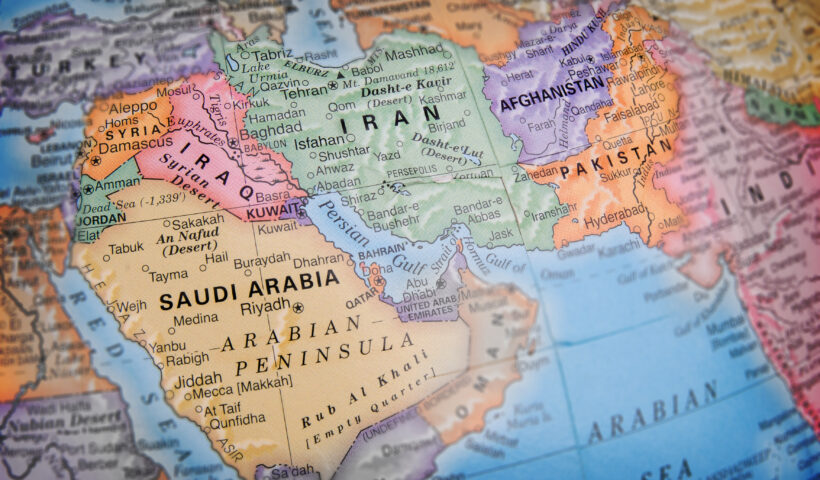
Operation Epic Fury — the February 28, 2026 U.S.–Israeli strike campaign authorized by Donald Trump and coordinated with the Israeli Defense Forces — targeted more than 1,000 sites across Iran, including facilities tied to its nuclear and missile programs and the compound of Supreme Leader Ali Khamenei, who was killed. Iran retaliated with regional missile and drone strikes, widening the conflict and disrupting global energy markets. The central critique is constitutional and strategic: the operation was launched without congressional authorization, prompting War Powers challenges from lawmakers including Tim Kaine and Rand Paul. Analysts at the Center for Strategic and International Studies and the Stimson Center questioned whether the mission shifted from counterproliferation to regime change without a defined end state. Internationally, António Guterres and the United Nations Security Council raised concerns about escalation and compliance with the UN Charter. The essay ultimately argues that durable authority depends not on displays of force, but on lawful process, proportionality, and democratic accountability.
View More Power Without Restraint – Tantrums As Foreign Policy